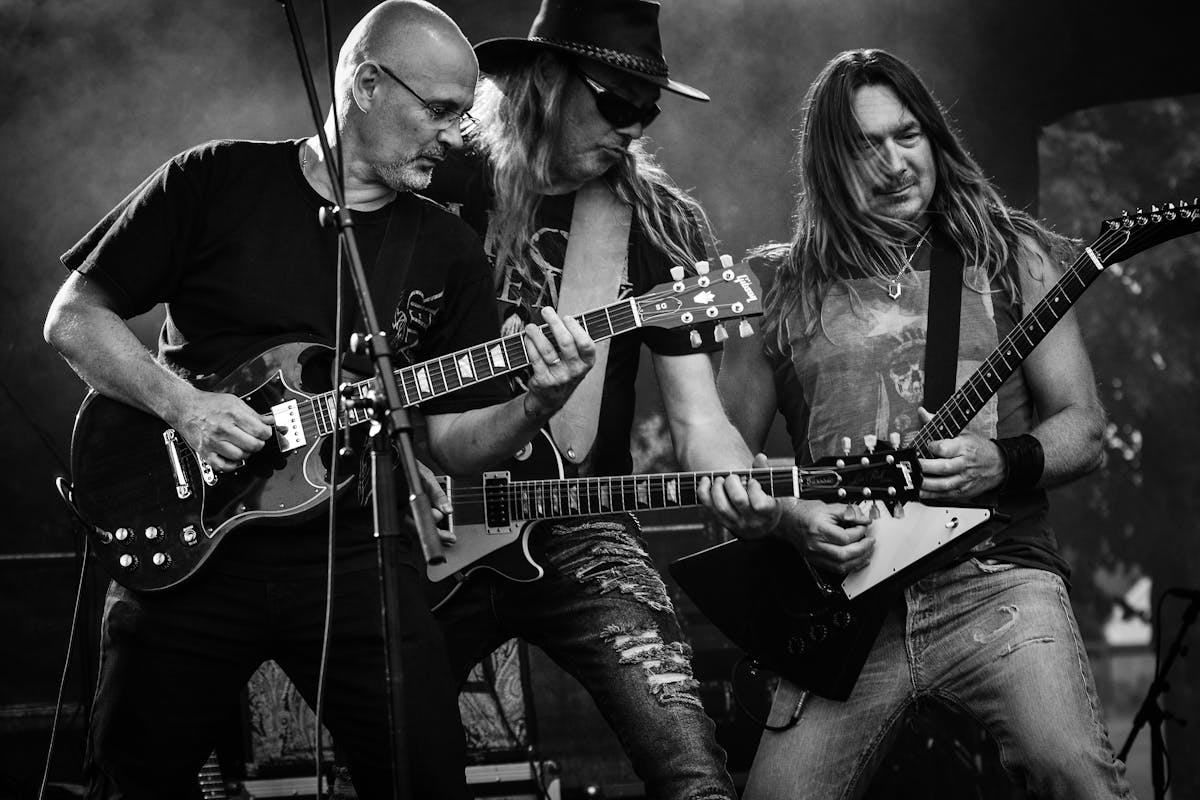
The music industry’s visual landscape is experiencing a seismic shift as independent artists increasingly turn to artificial intelligence for their creative needs. What was once the exclusive domain of major labels with substantial marketing budgets has become democratized through AI-powered design tools, fundamentally changing how indie musicians approach album artwork, social media content, and promotional materials.
The Economic Reality Behind the AI Adoption
For most independent musicians, the math is simple and unforgiving. Professional album artwork from established designers typically ranges from $500 to $3,000, while a comprehensive visual identity package can cost upwards of $5,000. Social media graphics, tour posters, and promotional materials add hundreds more to monthly expenses. For artists already juggling studio time, equipment costs, and marketing budgets, these visual expenses often become prohibitive.
Nashville-based indie rock trio The Static Bloom exemplifies this shift. After spending nearly $2,400 on artwork for their debut EP, they turned to AI tools for their follow-up release. “We generated over fifty concepts in two hours, refined our favorites, and had professional-quality artwork for under $50,” explains lead vocalist Sarah Chen. “The difference in our bottom line was game-changing.”
This economic pressure has coincided with remarkable advances in AI image generation quality. Tools that produced obviously artificial results just two years ago now create imagery that rivals traditional photography and illustration, making them viable alternatives for professional use.
Beyond Album Covers: The Full Creative Pipeline
While album artwork remains the most visible application, indie musicians are integrating AI tools throughout their entire visual workflow. Tour photographers increasingly use free AI background removal tools to quickly isolate band members for promotional graphics, eliminating hours of manual editing work that once required expensive software subscriptions and advanced technical skills.
Electronic producer Marcus Webb, known professionally as Midnight Syntax, credits AI tools with transforming his social media presence. “I was posting maybe once a week because creating visuals was such a bottleneck,” he notes. “Now I can generate consistent, on-brand content daily. My Instagram engagement increased 340% over six months, directly translating to more streaming and show bookings.”
Creative Control and Artistic Authenticity
Critics argue that AI-generated artwork lacks the human touch and collaborative spirit that defines great album art. However, many indie artists view these tools not as replacements for creativity, but as sophisticated instruments that expand their artistic capabilities.
Folk singer-songwriter Emma Rodriguez approaches AI art generation like she approaches songwriting. “I start with a concept, iterate through variations, and refine until something resonates,” she explains. “The process isn’t that different from writing lyrics or melodies. The tool is just another instrument in my creative arsenal.”
This perspective reflects a broader shift in how musicians conceptualize their role as multimedia creators. Today’s indie artists are expected to be photographers, graphic designers, social media managers, and marketers in addition to musicians. AI tools allow them to execute professional-quality work across all these disciplines without years of specialized training.
Technical Integration and Workflow Optimization
Forward-thinking indie musicians are developing systematic approaches to AI art integration. Many establish visual style guides before beginning projects, ensuring consistency across multiple AI-generated pieces. Others create extensive prompt libraries, documenting effective language for generating specific moods, colors, and compositions that align with their musical aesthetic.
The most successful implementations combine AI generation with human refinement. Artists typically generate multiple variations, select the strongest candidates, and then make manual adjustments using traditional editing software. This hybrid approach maintains creative control while leveraging AI’s speed and ideation capabilities.
Industry Implications and Future Considerations
The widespread adoption of AI art tools among indie musicians is reshaping industry expectations and business models. Streaming platforms are seeing an influx of visually sophisticated releases from previously under-resourced artists, while traditional graphic designers are repositioning themselves as AI consultants and refinement specialists rather than creators from scratch.
Legal considerations remain complex and evolving. While most AI-generated artwork avoids copyright issues, artists must navigate platform policies and potential licensing complications. Many indie musicians are documenting their AI art creation processes to establish clear ownership and usage rights.
The democratization of high-quality visual content creation represents more than just cost savings for indie musicians—it’s fundamentally altering the competitive landscape. Artists who once struggled to achieve visual parity with major label releases now compete on equal footing, shifting industry focus back toward musical quality and authentic fan connection. As these tools continue evolving, the indie musicians embracing them today are positioning themselves at the forefront of a more visually sophisticated, creatively autonomous music ecosystem.
Related coverage on Moose Worldwide Digital.