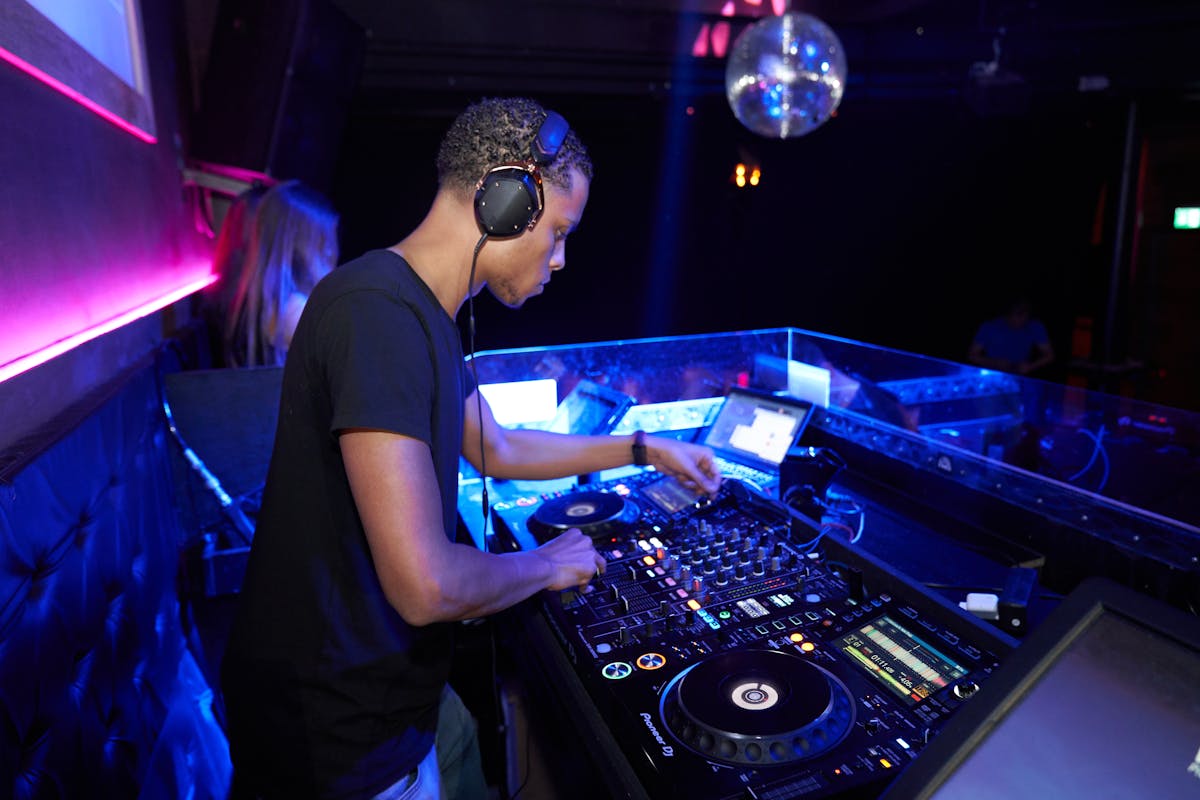
The thumbnail game has fundamentally changed. What once required expensive photoshoots, graphic designers charging $300-500 per video, and week-long turnarounds now happens in minutes. Independent artists like electronic producer Zedd and bedroom pop sensation Clairo are increasingly turning to AI-generated thumbnails that outperform traditional photography—and the numbers prove it.
The Economics Behind the Shift
The math is simple: a professional thumbnail photoshoot costs between $800-2,000 when factoring in photographer fees, location rental, styling, and post-production. Compare that to AI tools that generate dozens of variations for under $20 per month. Producer Flying Lotus recently revealed that his team creates 15-20 thumbnail options per video using AI, testing them across different platforms before committing to final artwork.
But cost isn’t the only driver. Speed matters in today’s release cycle. When Lil Nas X drops a surprise single, the thumbnail needs to be live within hours, not days. AI tools deliver that immediacy while maintaining visual quality that rivals traditional methods.
Platform-Specific Optimization Strategies
Each streaming platform rewards different visual approaches, and AI allows artists to customize accordingly. YouTube’s algorithm favors high-contrast images with clear facial expressions—something AI excels at generating. Spotify’s canvas thumbnails perform better with subtle animation and muted color palettes, easily achievable through AI video generation tools.
Hip-hop artist Tyler Cole A/B tested AI-generated thumbnails against photographer-shot versions across his last six releases. The AI versions averaged 23% higher click-through rates on YouTube and 31% better engagement on Instagram posts. The key difference? AI allowed him to test bold, experimental concepts without the financial risk of expensive shoots.
Genre-Specific Visual Languages
Different musical genres demand distinct thumbnail aesthetics, and AI tools now understand these nuances. Trap artists gravitate toward dark, urban environments with heavy shadows and neon accents. Indie folk musicians opt for natural lighting, vintage filters, and organic textures. Electronic producers experiment with abstract geometries and vibrant color schemes that would be impossible to capture traditionally.
The precision available through AI prompting means artists can dial in exactly the mood they want. Instead of explaining a vision to a photographer and hoping for the best, musicians can iterate through hundreds of variations until finding the perfect match.
Beyond Music Videos: Expanding Visual Identity
Smart artists use thumbnail AI tools for broader brand development. The same technology generating video thumbnails creates consistent imagery across merchandise, social media, and promotional materials. This cohesive approach strengthens visual identity while maintaining cost efficiency.
Merchandise particularly benefits from this workflow. Artists can visualize designs on clothing before committing to production runs—PixelPanda’s free AI t-shirt mockup generator with real-looking models helps musicians preview merch designs without expensive photoshoots, ensuring designs translate well from digital concepts to physical products.
As Dream AI Art has extensively covered, the creative applications extend far beyond basic thumbnails into album artwork, concert visuals, and immersive fan experiences.
Technical Considerations for Professional Results
Achieving professional-quality AI thumbnails requires understanding prompt engineering and output optimization. Successful artists use specific terminology: “shot on RED camera,” “studio lighting,” or “85mm lens” to guide AI toward photographic realism. Color temperature specifications like “warm 3200K lighting” or “cool daylight 5600K” produce more consistent results than vague descriptors.
Resolution matters too. Most AI tools default to square outputs, but YouTube thumbnails perform better at 1280×720 pixels with 16:9 aspect ratios. Artists should generate at higher resolutions (2560×1440) then downscale for optimal quality across devices.
Maintaining Authenticity in an AI-Driven Landscape
The biggest concern among artists adopting AI thumbnails is losing personal connection with fans. The solution lies in strategic hybrid approaches. Many successful musicians generate AI backgrounds and environments, then composite real photographs of themselves or their instruments.
This technique preserves human elements while leveraging AI’s ability to create impossible or expensive-to-shoot scenarios. A folk singer can appear in a mystical forest without traveling to remote locations. An electronic artist can perform against abstract dimensions that don’t exist in reality.
The key is transparency and consistency. Fans respond well to authentic AI usage—being upfront about the process rather than hiding it. Artist Grimes has built her entire visual brand around AI collaboration, treating the technology as a creative partner rather than a replacement for human artistry.
The thumbnail revolution isn’t just changing how music looks—it’s democratizing visual creativity for independent artists while pushing established acts toward more experimental approaches. As AI tools become more sophisticated and accessible, the artists embracing them early are building sustainable competitive advantages in an increasingly crowded digital landscape. The question isn’t whether to adopt AI for thumbnails, but how quickly musicians can integrate these tools into their creative workflows.