The gap between “finished the track” and “the world knows it exists” has never been wider, and for independent musicians, that gap is now being filled almost entirely by artificial intelligence. From auto-generated visualizers to AI-scripted TikTok hooks, the modern release cycle has quietly become a two-front war: making the music, and manufacturing the content ecosystem around it. Artists who once spent studio time chasing a mix are now spending equal hours chasing an algorithm, and AI has become the cheapest, fastest weapon available for that fight.
The New Content Math
Consider the numbers. A single artist rollout used to mean one music video, maybe a lyric video, and a handful of static promo images — a budget that could easily run $3,000 to $10,000 for a mid-tier act working with outside creatives. Today, that same artist is expected to produce 15-20 pieces of platform-native content per single: teaser clips, behind-the-scenes edits, lyric snippets, meme-format posts, and merch promos, often on a budget under $500. AI tools haven’t just lowered the cost of content creation; they’ve reset the expectation of volume entirely.
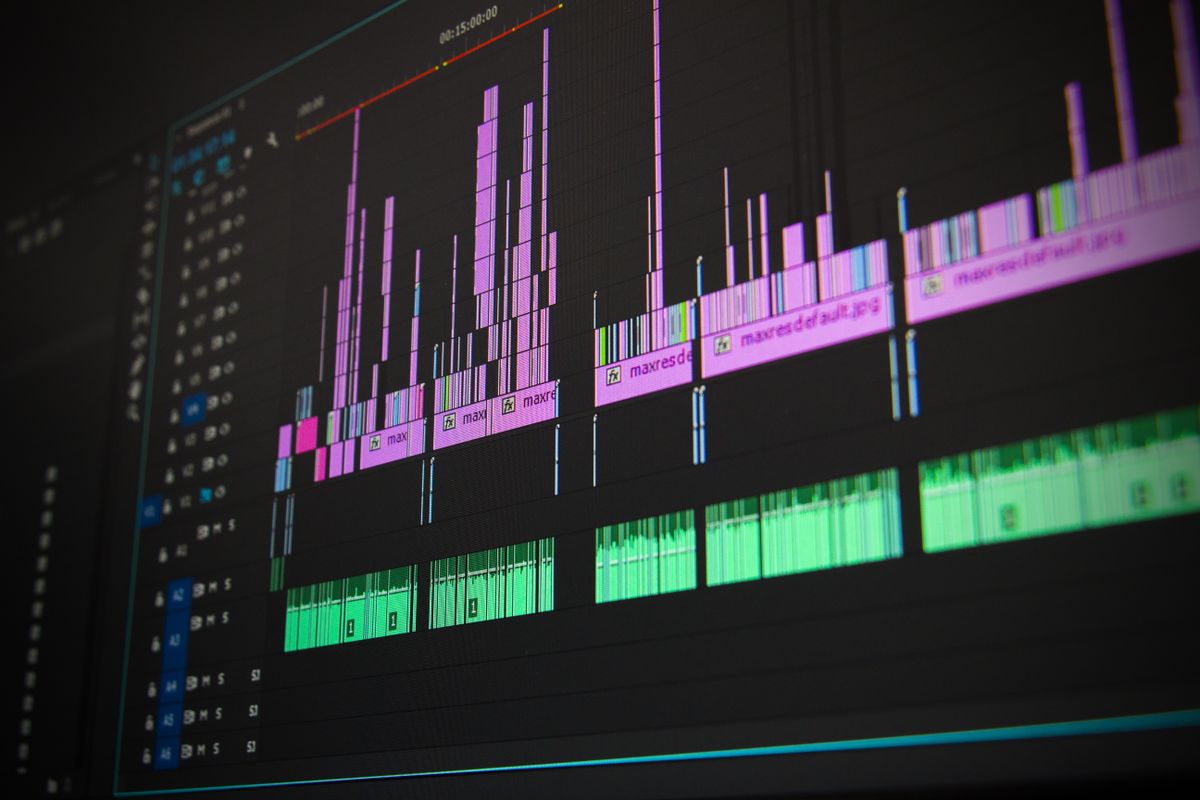
Runway and Pika have become staples for generating abstract visualizers and B-roll that once required a videographer and a location scout. Suno and Udio, while controversial, are being used by producers not to replace songwriting but to prototype hooks and jingles for promotional snippets. And tools like ElevenLabs are letting artists clone their own voice for rapid-fire caption reads and ad-style content without booking studio time twice.
Case Studies From the Independent Ranks
Take the case of bedroom pop producers building entire aesthetic universes around a single EP using Midjourney for cover art variations, then feeding those images into Runway for animated loop content. What used to require a graphic designer and a motion artist is now a single creator’s afternoon workflow. Country and hip-hop artists alike have adopted ChatGPT-style tools not to write lyrics, but to draft the dozens of caption variations, hashtag sets, and posting schedules that used to eat into rehearsal time.
Merch is another area where AI has quietly rewritten the playbook. Independent artists used to need physical samples photographed on real models to make a merch drop feel legitimate — a cost and logistics nightmare for anyone without label backing. Now, tools like PixelPanda’s free AI t-shirt mockup generator with real-looking models let artists upload a design and instantly generate professional, lifestyle-style product shots without a photoshoot, a model release, or a single hour of studio time. For touring acts trying to flip a limited drop between tour dates, that turnaround difference — days versus minutes — can be the difference between capturing a moment and missing it entirely.
- Visualizers & B-roll: Runway, Pika, and Kaiber for algorithm-friendly motion content
- Voice & audio snippets: ElevenLabs for cloned-voice promo reads and multilingual captions
- Caption and content planning: ChatGPT and Claude for batch-generating platform copy
- Merch visualization: AI mockup generators replacing traditional product photography
- Thumbnail and cover art: Midjourney and Adobe Firefly for rapid visual iteration
The SEO Layer Nobody Talks About
Social content gets the spotlight, but a quieter AI revolution is happening on artist websites and release pages, where discoverability is just as competitive as the For You page. Musicians publishing tour dates, EPKs, and release announcements are increasingly leaning on structured data to make sure Google actually understands what it’s looking at. Autorank’s schema markup generator for artist sites has become a go-to for bands wanting their upcoming shows to appear as rich snippets in search results, complete with dates, venues, and ticket links — a small technical move that can meaningfully increase click-through from search traffic that would otherwise get lost.
This intersection of AI and technical marketing infrastructure isn’t unique to music — the broader shift toward AI-assisted content pipelines across creative industries has been covered in depth by El Oro Digital, which has tracked how independent creators across sectors are consolidating tools that used to require entire agencies into single-person operations.
Where the Line Still Matters
The artists succeeding with this shift aren’t outsourcing their identity to AI — they’re outsourcing the grunt work. The songwriting, the performance, the emotional core of the release still comes from the artist. What’s changed is that the 40 hours once spent on manual video editing, caption writing, and product photography has collapsed into four or five, freeing up actual creative bandwidth. Labels are starting to notice too, with several mid-size indie labels now requiring AI-content workflows as part of artist development plans, not as a replacement for authenticity, but as table stakes for staying visible.
The tools will keep evolving, and the ethical debates around AI-generated music itself will rightly continue. But for the unglamorous work of promotion — the mockups, the metadata, the thumbnail number seventeen — AI has already won. The musicians thriving right now aren’t the ones resisting that shift; they’re the ones who figured out fastest which parts of the job were never really about the art in the first place.