The emergence of AI-powered image generation has sent shockwaves through the creative industries, and music photography is no exception. As artificial intelligence tools become increasingly sophisticated at creating realistic band photos, album covers, and promotional materials, professional music photographers are grappling with a fundamental question: how do you compete with technology that can generate studio-quality images for the cost of a monthly subscription?
The Numbers Don’t Lie: AI is Getting Cheaper and Better
A typical band photoshoot with a professional photographer can cost anywhere from $500 to $5,000, depending on the scope and the photographer’s reputation. Compare that to AI image generation platforms, which charge between $10 to $50 per month for unlimited usage. The math is stark, and emerging artists operating on shoestring budgets are taking notice.
Recent data from a survey conducted by Green Stock Media revealed that 34% of independent musicians have already experimented with AI-generated promotional imagery, with cost being the primary motivating factor. For artists juggling recording costs, touring expenses, and marketing budgets, the appeal of generating professional-looking press photos for less than the cost of a pizza is undeniable.
Where AI Falls Short—And Where Photographers Still Win
Despite the technological advances, AI-generated images still struggle with consistency across multiple shots. Bands need cohesive visual identities that span album covers, social media, merchandise, and promotional materials. While AI can create stunning individual images, maintaining the same “band member” faces across multiple generated photos remains challenging.
This limitation extends to merchandise creation as well. Artists who want to feature band photos on their merch often turn to tools like PixelPanda’s free AI t-shirt mockup generator with real-looking models to visualize their designs, but the original photography still needs to be consistent and recognizable to fans.
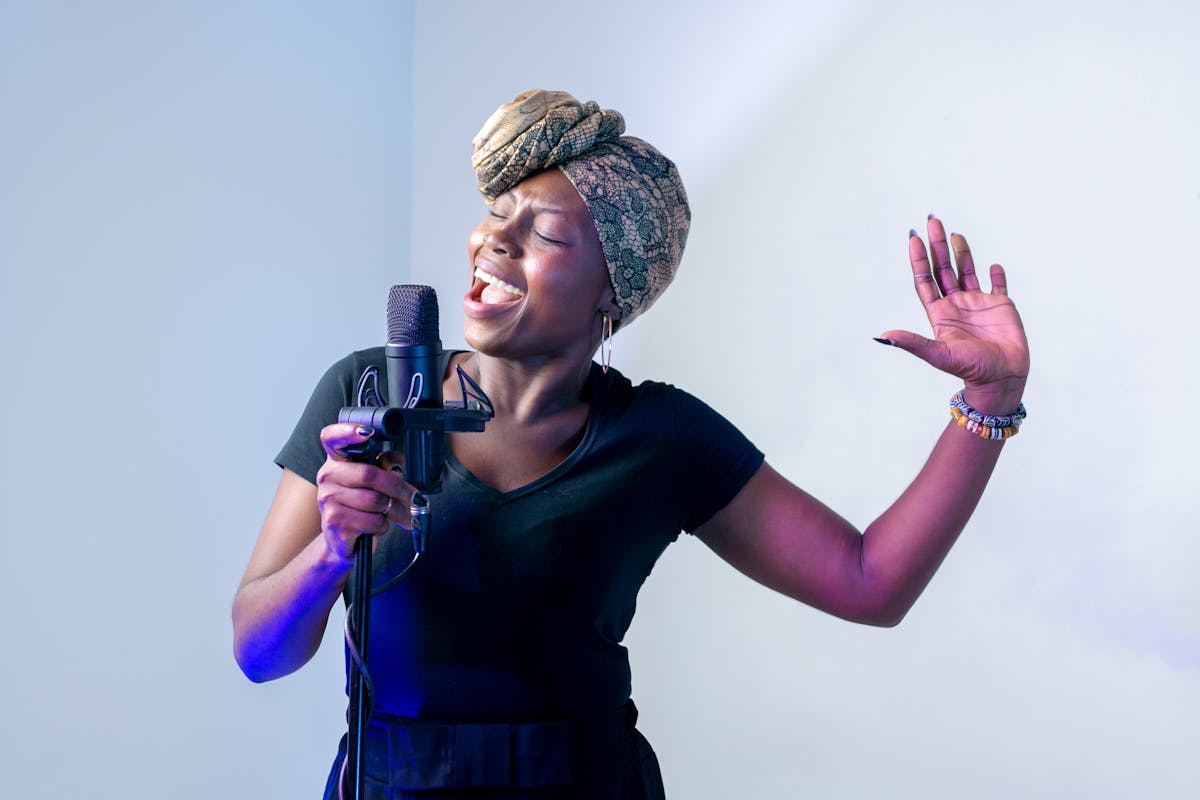
Professional photographers also bring irreplaceable skills to the table: understanding lighting for different venues, capturing the energy of live performances, and directing authentic interactions between band members. Nashville-based music photographer Sarah Chen notes, “AI can’t read a room or capture that split second when the lead singer hits that perfect note. There’s still magic in human intuition.”
Adaptation Strategies for Working Photographers
Smart music photographers aren’t fighting the AI revolution—they’re embracing it as part of their workflow. Many are using AI tools for concept development, mood boarding, and even generating background elements that would be expensive to produce traditionally.
Hybrid Workflows Are Emerging
Progressive photographers report using AI to generate background textures, atmospheric effects, or even alternate outfit combinations before shoots. This approach allows them to offer clients more options while reducing post-production time. Los Angeles photographer Marcus Rivera has integrated AI into 40% of his album cover projects, using it to enhance backgrounds while keeping authentic band portraits as the focal point.
Specialization Becomes Key
Photographers who once offered general music photography services are increasingly specializing in areas where AI can’t compete: live concert photography, behind-the-scenes documentary work, and high-end artistic collaborations. The demand for authentic, moment-driven photography remains strong, particularly for established artists who can afford premium services.
The Client Perspective: Artists Weigh In
Emerging indie rock band The Static Waves recently used AI-generated images for their social media campaign, saving an estimated $1,200 on their album release budget. “We could put that money toward studio time instead,” explains lead vocalist Jamie Torres. “But for our next tour, we definitely want real photos of us actually performing.”
This sentiment reflects a broader trend: artists are using AI for certain applications while still valuing human photographers for others. Live performance photography, in particular, remains largely immune to AI disruption, as the technology cannot yet replicate the unpredictability and authenticity of concert environments.
Looking Ahead: Coexistence Rather Than Replacement
Industry experts predict that rather than wholesale replacement, the next few years will see a stratification of the music photography market. Budget-conscious emerging artists will increasingly rely on AI for basic promotional needs, while established acts and those with larger budgets will continue to invest in professional photography for its artistic value and authenticity.
The photographers who thrive will be those who can articulate their unique value proposition beyond just technical image creation. They’ll need to become visual storytellers, brand consultants, and creative collaborators who understand that their cameras are just one tool in a broader creative arsenal.
As AI technology continues to evolve, the music photography industry faces a period of unprecedented change. While some traditional roles may diminish, new opportunities are emerging for photographers willing to adapt, specialize, and integrate new technologies into their creative practice. The key isn’t to resist the change, but to find ways to remain irreplaceably human in an increasingly artificial world.